Year
2025
Website
Team
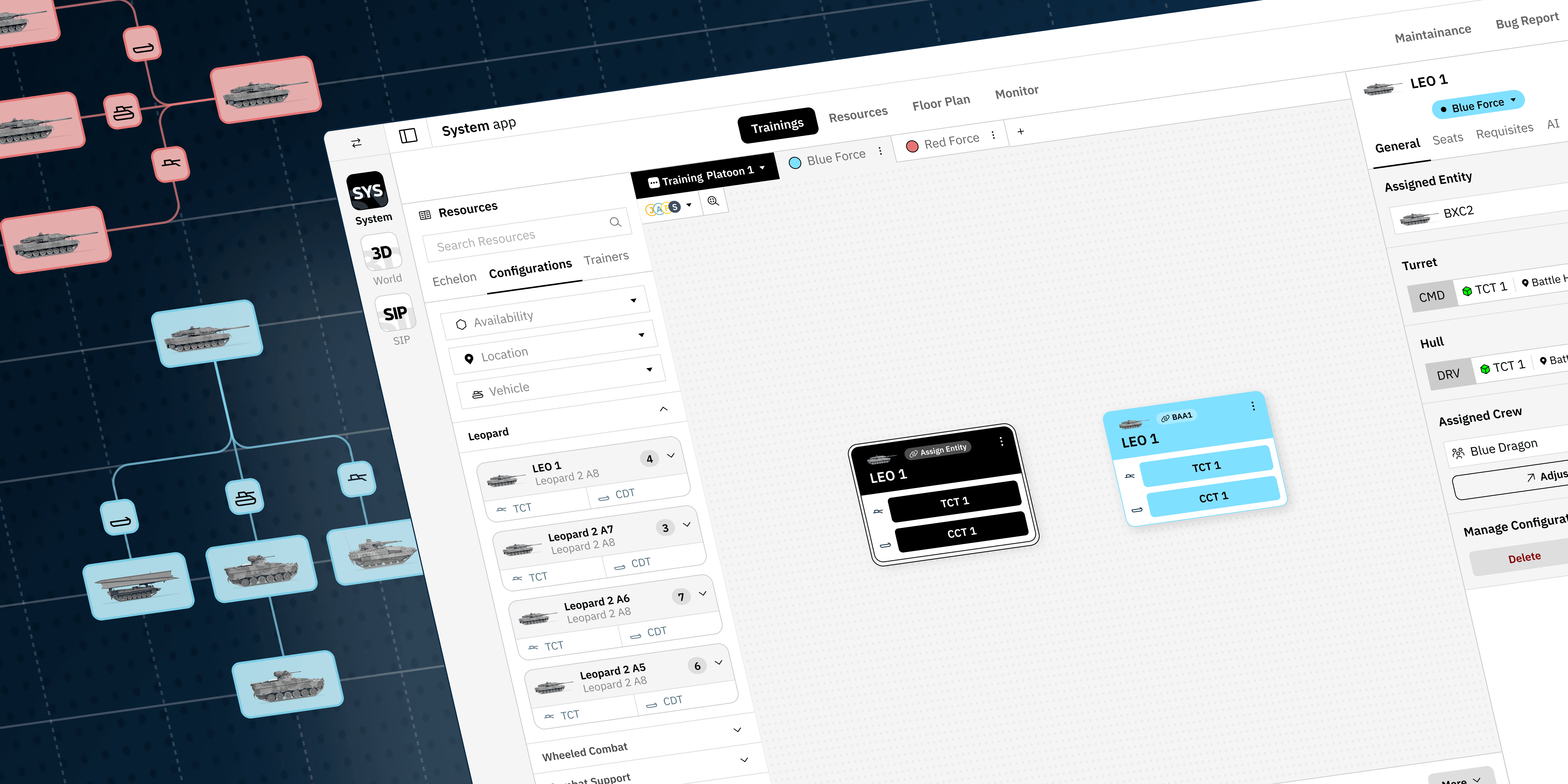
Led the UX design from concept to high-fidelity delivery. Defining how it integrates into the existing product ecosystem, collaborating closely with engineering & stakeholders.
KNDS is a leading European defence and security company based in Germany & France. The group develops advanced land defence systems including armoured vehicles, artillery platforms, and integrated digital solutions for militaries across Europe and internationally.
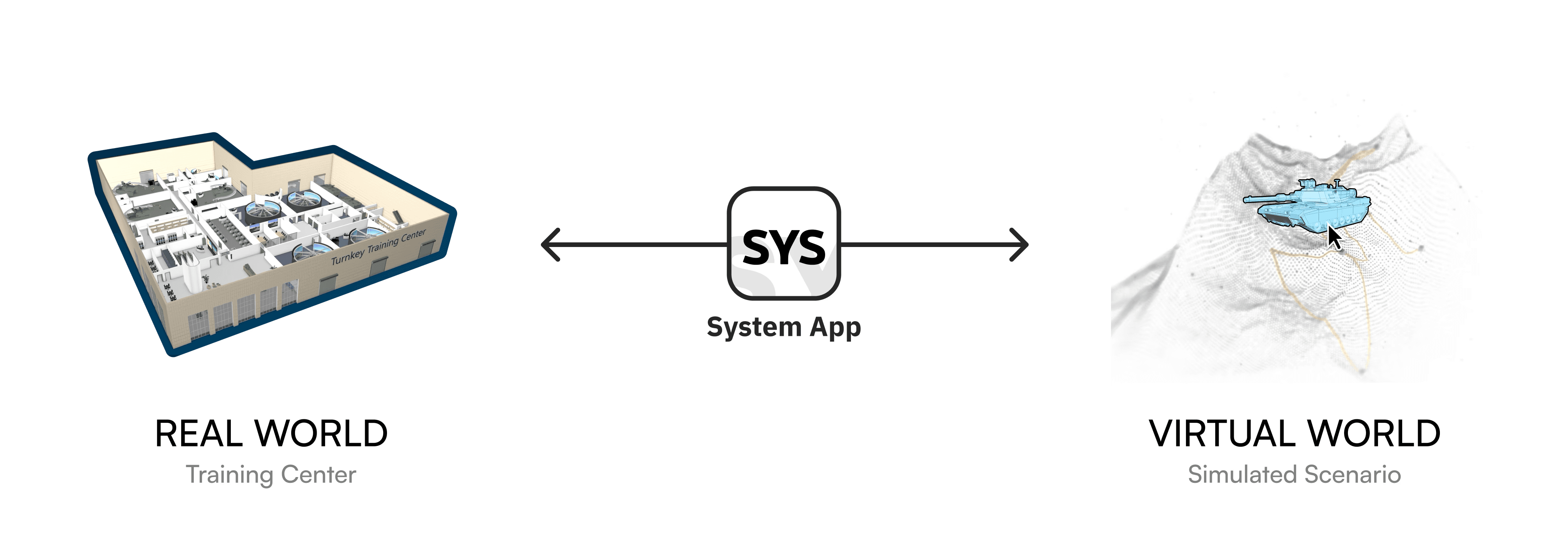
Training military personal army personal both how to use vehicles and practice combat situations requires trainees use simulation software cuppled with real world hardware. The current system is running old software, KNDS is looking to update their entire ecosystem. This project focused specifically on the system app which act as a module within the greater ecosystem.
The System app allows to manage the integrated hardware, software, and human resources, like simulators, BMS and trainees. We need to enable instructors to customize the training center’s modular simulators to fit the training needs from small crew to full company programs.
Crew Roles
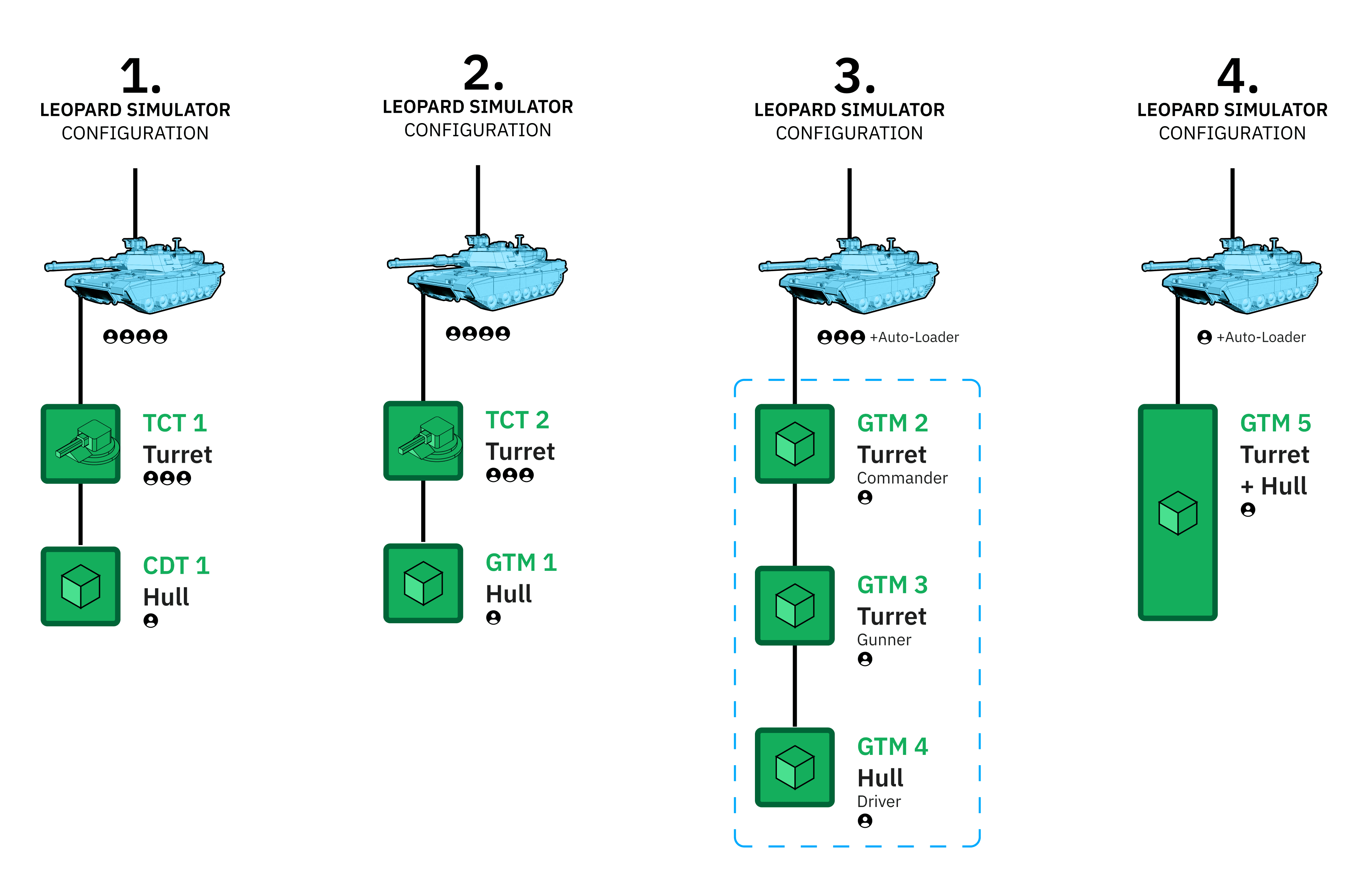
All vehicles across KNDS are made up of four main roles:
Commander: oversees the mission, maintains situational awareness, and makes tactical decisions.
Gunner: Operates the weapon systems and targeting interfaces to engage threats with precision.
Driver: Controls vehicle mobility, navigating varied terrain while maintaining stability and positioning.
Loader: Supports the weapon system by managing and preparing ammunition.

Configurations
The system app should allow for configurations of these crew members in different vehicles across all the different simulators that the military has to train. This can include up to 7 different simulator type all of which allow for different configurations for training. This is the primary complexity of the system
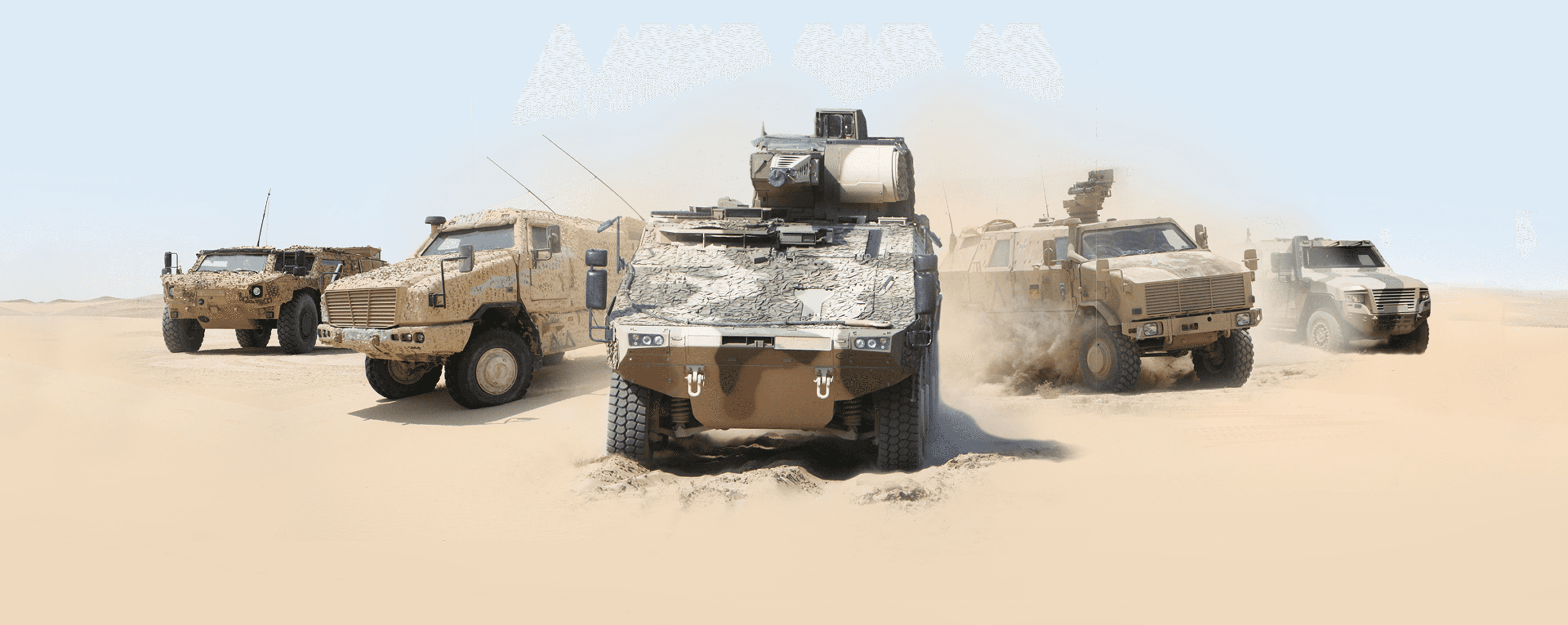
The simulator modules that KNDS offers ranges from PC operated all the way to full on 1;1 exact replicas of the machine they will be operating. Training can happen both in a defined training centre or within a combat zone, the system needs to modular enough to allow and accommodate for both types of situations.
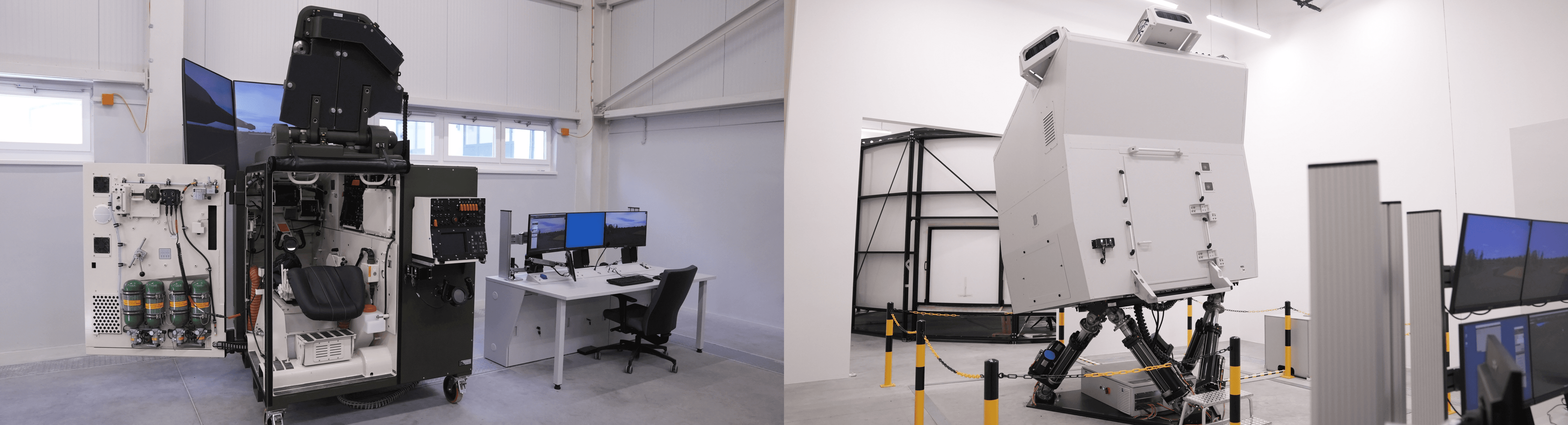
It was important for us to gain a better understanding of the currently implemented system and how it is being used. What we found was that the current system is so outdated that trainers have found their own work arounds to get to a working solution. Many of these solutions have become normalised workflows, even though they override the primary functions. We also found that the current system makes it very difficult to have enough versatility when the trainings can change very quickly from one exercise to the next.
Modular Blueprint
In order for the system to work and allow for all the variability that the system required, we focused on designing a blue print which was modular and flexible enough to accomodate all potential scenarios and vehicles. While it started at a crew level, this entire platform had to be able to scale to allow for platoons, companies and battalions to be created. By creating something that could scale through correct logic and reasoning, we could they account for any potential situations different militaries may require when training.
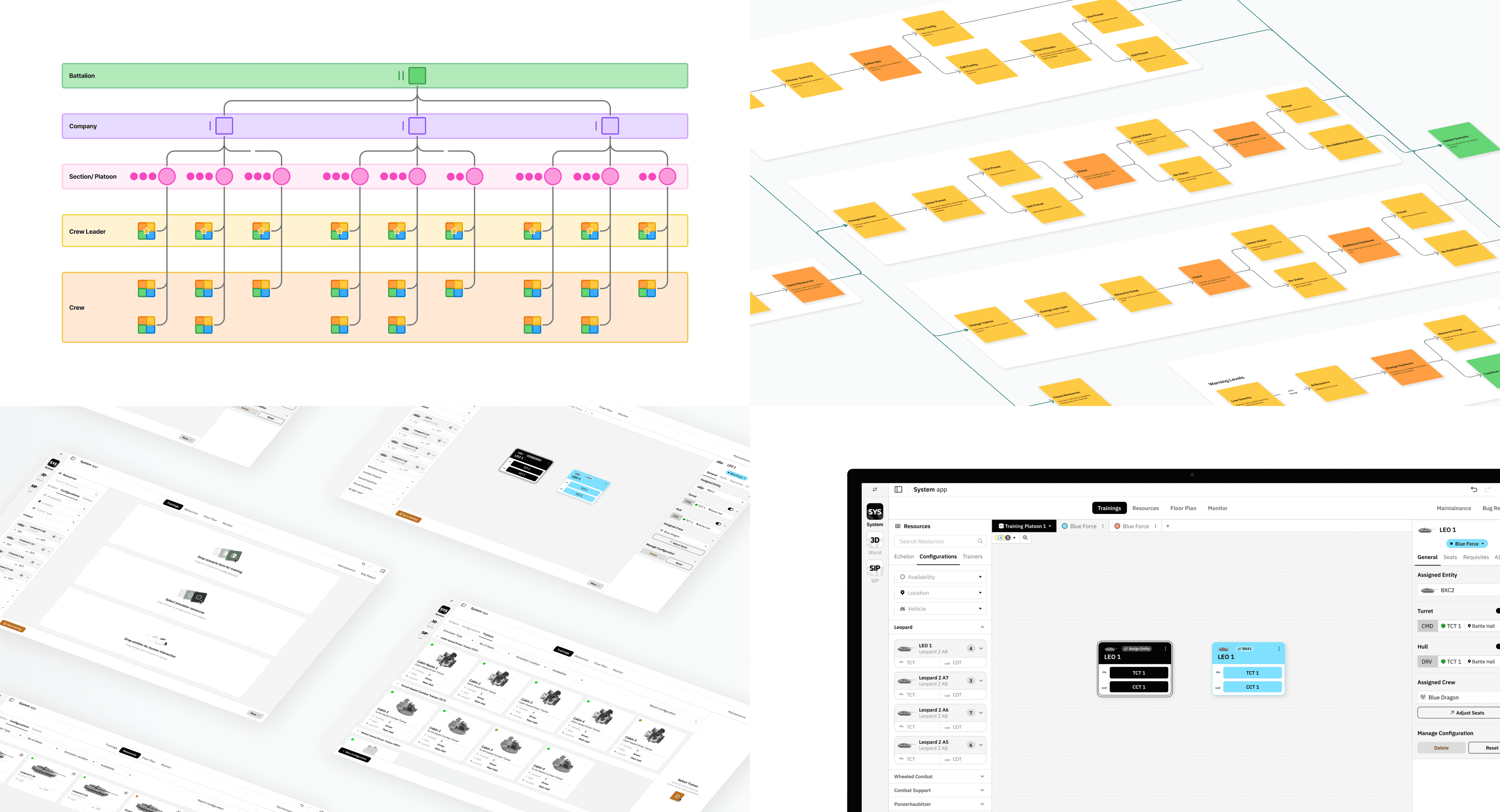
Team
While I worked as the lead for the project, it was extremely important to collaborate with both developers and trainers to help create the system app. With a product like this, we needed to try and ensure instructors felt empowered and with such a complex system, often times change from what was previosuly implememented can cause push back. This close collaboration meant we didn't design this in isolation.
The final solution for the system app was a fully a template that allowed for scalability. We focused on getting the templating right and for it to scale within the entire system. The system app in only one of many apps that a trainer will see across their monitors. The integration with this app and the other was also extremely imprtnant, allowing for drag and drop and adjusting where and how the app sits within the ecosystem was also a big consideration.
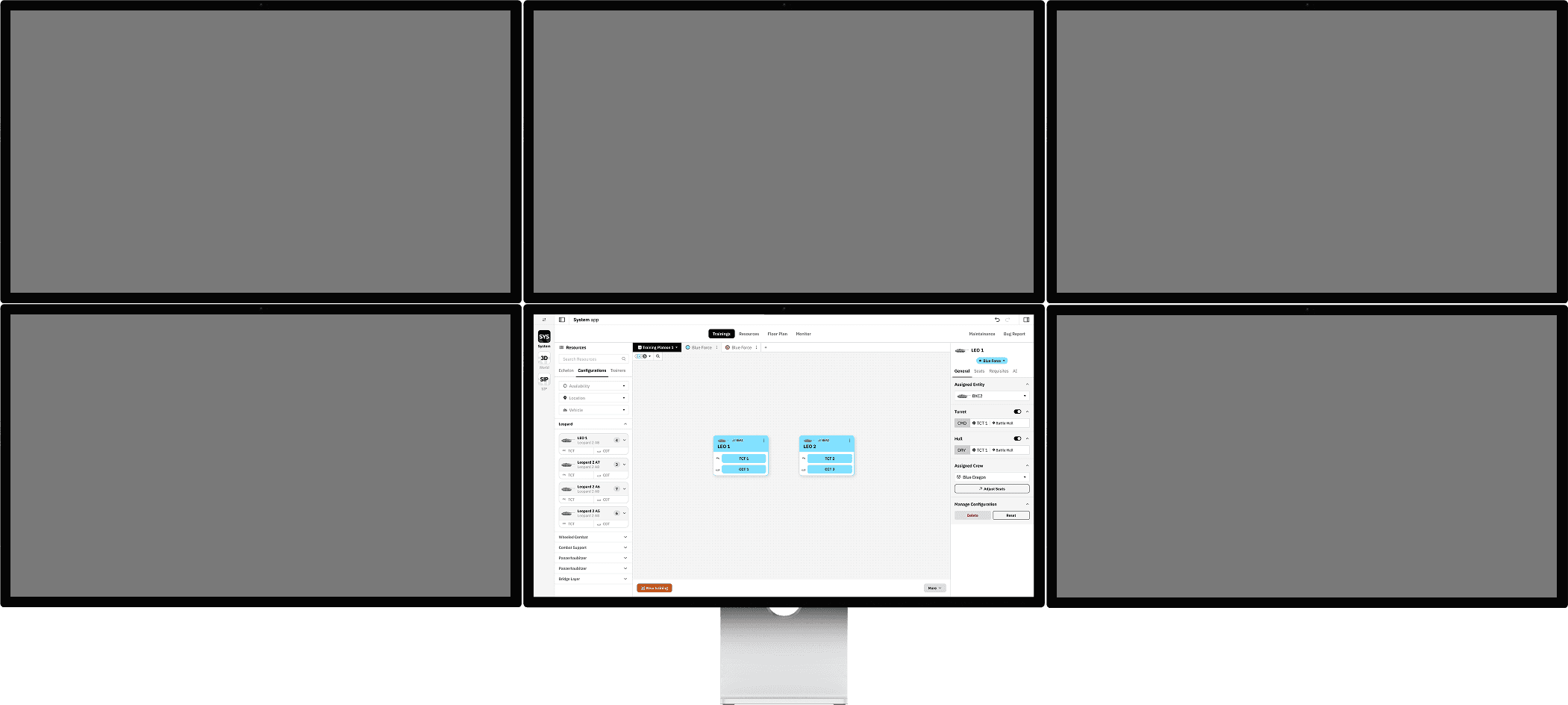
This project was extremely complex as it required a lot of deep knowledge of the legacy system as well as visability on what the other apps on the system and how they all function as a collective. Collaboration was imperative and allowed for us to create a robust blueprint which could be replicated. The only thing we could have dont better was getting user testing using the system, but this should happen in the upcoming phases.
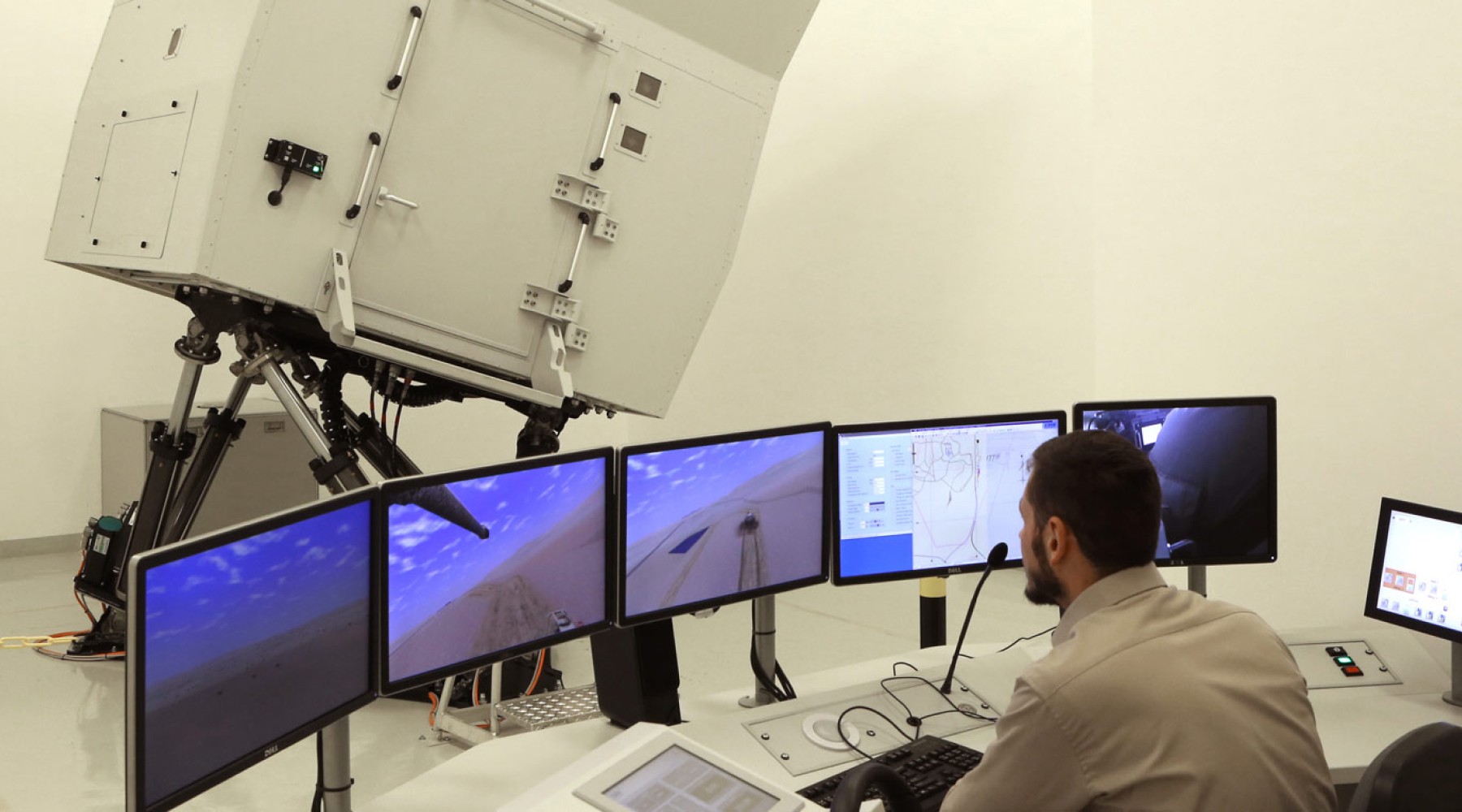
Visability for Trainers
A trainers job is very difficult, they have to have full situational awareness across the entire simulated scenario as well as be able to see the individual trainer and make adjustedments to their setups etc. By givining them flexability to create a setup that is specific to their training style allowes for less stress and greater control.
The system had to be completely scalable with the current vehicles that are available but also had to take into account the different styles of tactical planning and training. Not every military functions the same and therefore requires an approach which can easily be adjusted for their speicific needs.
Enter Password
Hint: Password in cover letter