Year
2024
Website
Team
I worked alongside another UX designed who had worked on the project from the beginning to help build out new features on the platform.
SIEMENS is a global leader supporting the digital transformation of traditional substations by improving operational efficiency and safety across the energy sector.
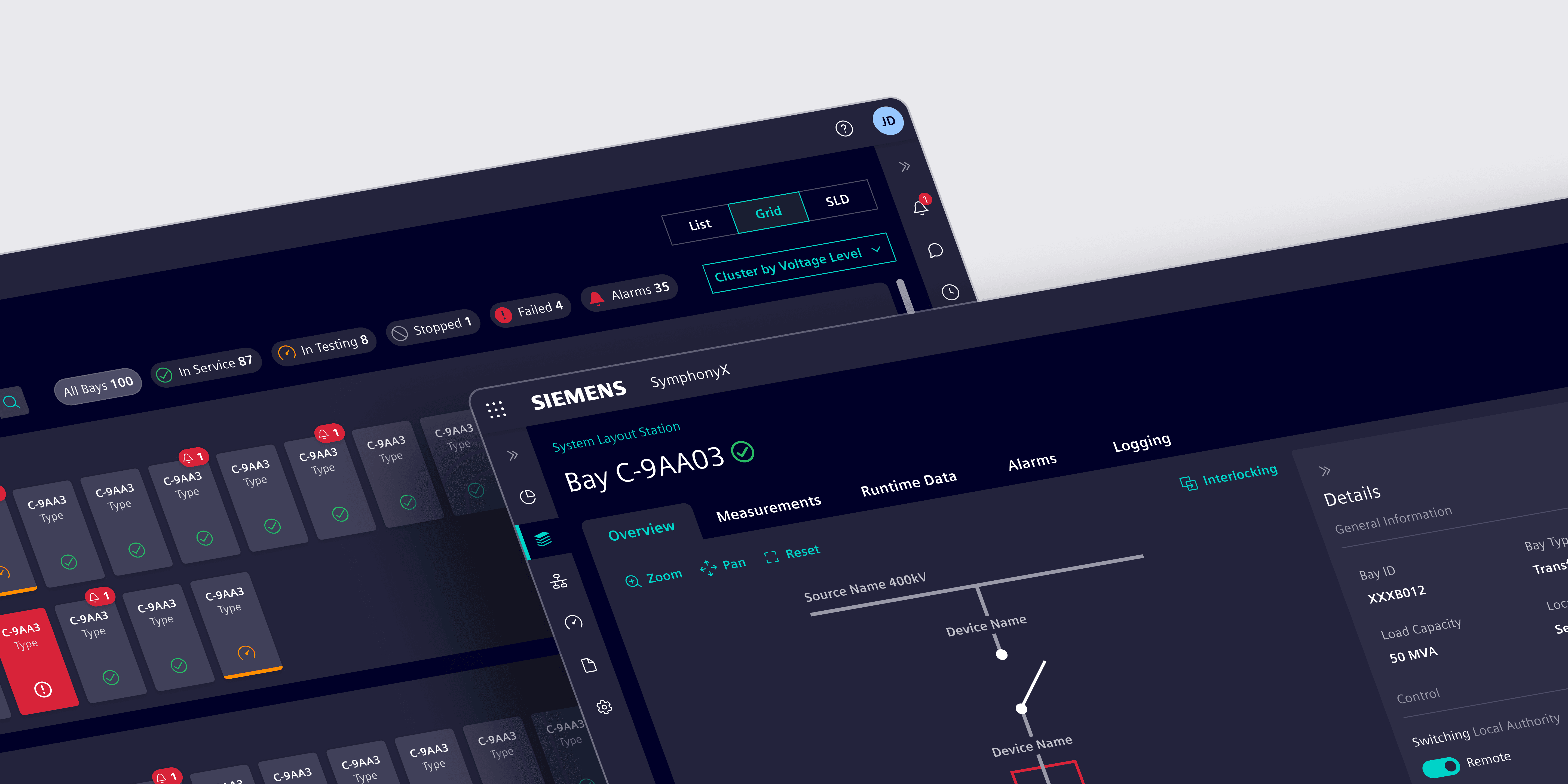
FLUID Design was invited to create a user experience for the Central Substation Computing Platform, a web application supporting the digital transformation of substations. The challenge was to navigate the shift from hardware to software, translating physical interactions into safe and intuitive digital workflows. Midway through the project, we discovered the client had an in-house UX and development team tackling similar challenges. Our role shifted to aligning our efforts with theirs ensuring the design values, framework and processes we established would guide the team in continuing the work independently once our involvement concluded.
Over a 2.5‑week pitch sprint, we developed a complete vision prototype that blended ergonomics, system logic and visual expression into a cohesive future cabin concept. We began by building ergonomic
COIN simplifies Siemens Energy’s complex HR processes by consolidating multiple tools and data streams into a single platform. Offering tailored access points it makes HR tasks more transparent, accessible and efficient on a global scale. The design priorities intuitive navigation, enabling managers to efficiently oversee and handle tasks while ensuring employees can easily access the information they need.
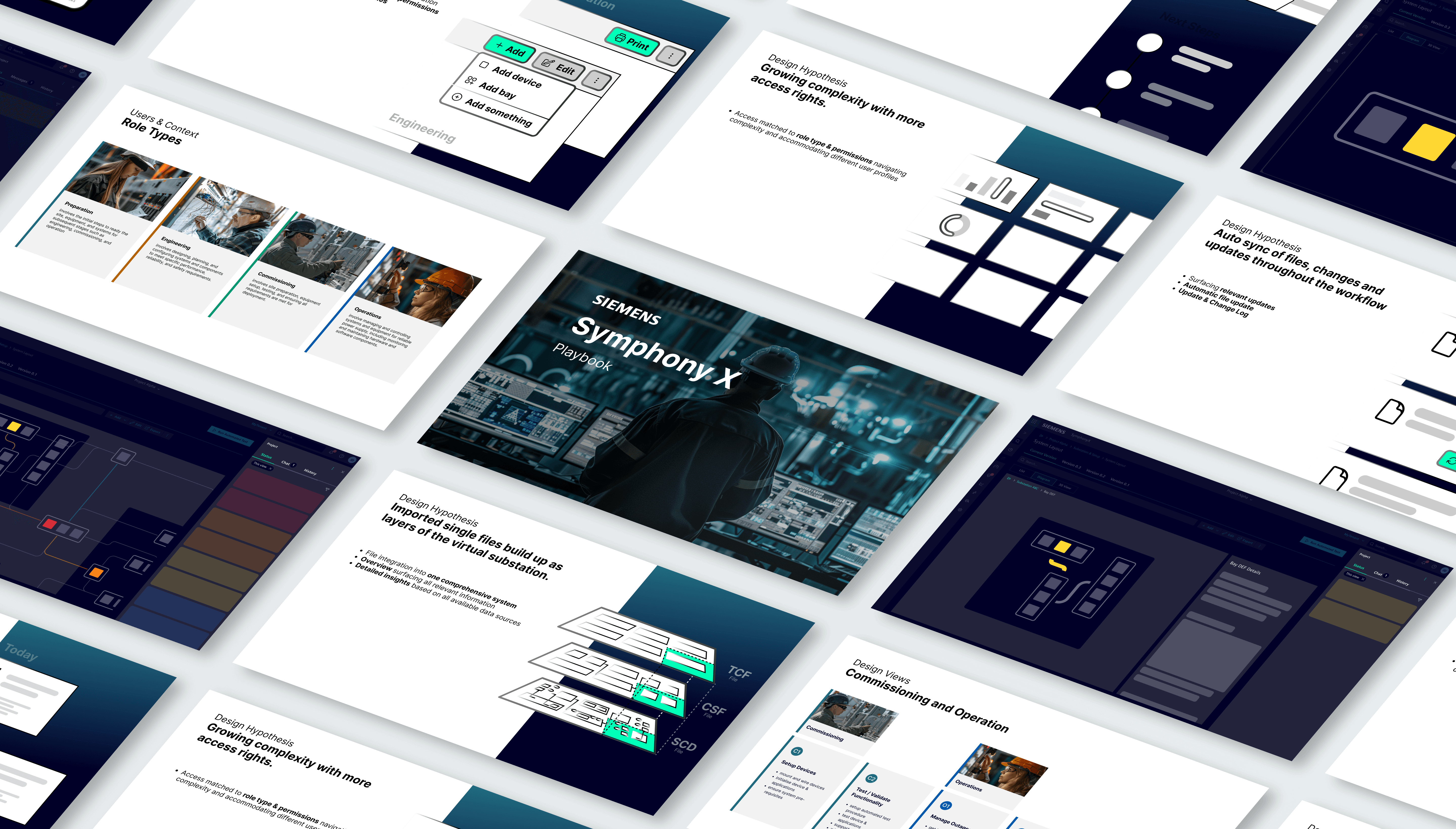
We set off by visiting the client’s substation specialists to understand their daily tasks and the tools they use. This hands-on approach provided insight into the challenges of transitioning from traditional hardware to digital solutions as well as identifying pain points with existing tools. By focusing on the broader vision first, we ensured the solution provided a clear user experience. It enabled users to navigate complex tasks easily while setting a new usability baseline for the evolving substation management landscape. This approach combined the strengths of both design strategies addressing user needs and preparing the company for a successful, scalable future in digital substation management.
Over a 2.5‑week pitch sprint, we developed a complete vision prototype that blended ergonomics, system logic and visual expression into a cohesive future cabin concept. We began by building ergonomic models to validate reach zones, viewing angles and control placement, ensuring the physical layout supported operators in demanding conditions. From there, we mapped out unified workflows between SnowSat and PistenBully, creating wireframes that defined how both systems could operate as one seamless experience.
High‑fidelity UI screens, motion explorations and architectural sketches brought the interaction model to life, showing how the display, physical controls and spatial layout could work together. To support long‑term collaboration, we also proposed a Seating Buck—a physical mockup of the cabin—allowing future on‑site sessions to rapidly test ergonomics, interaction flow and new control configurations.
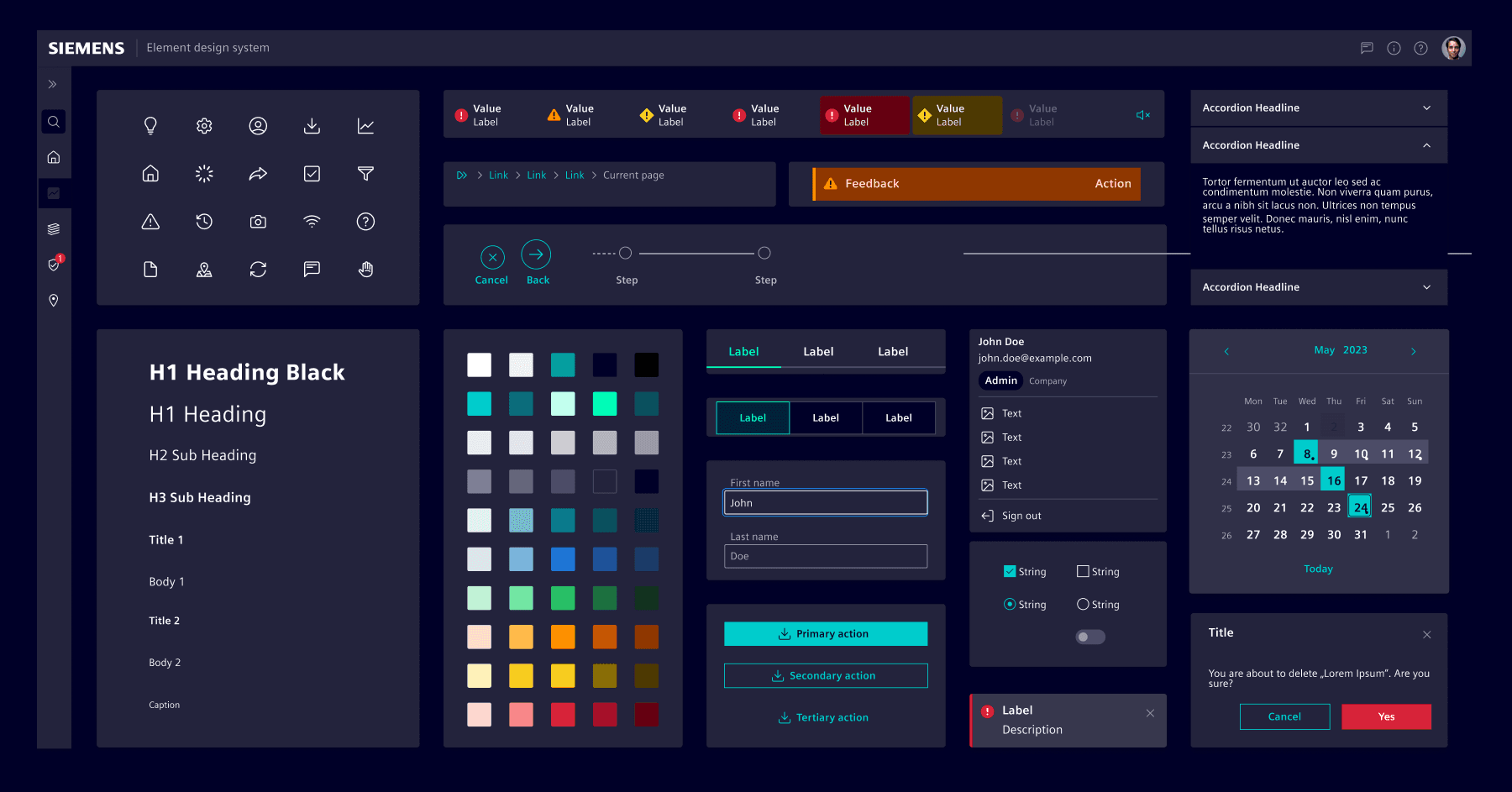
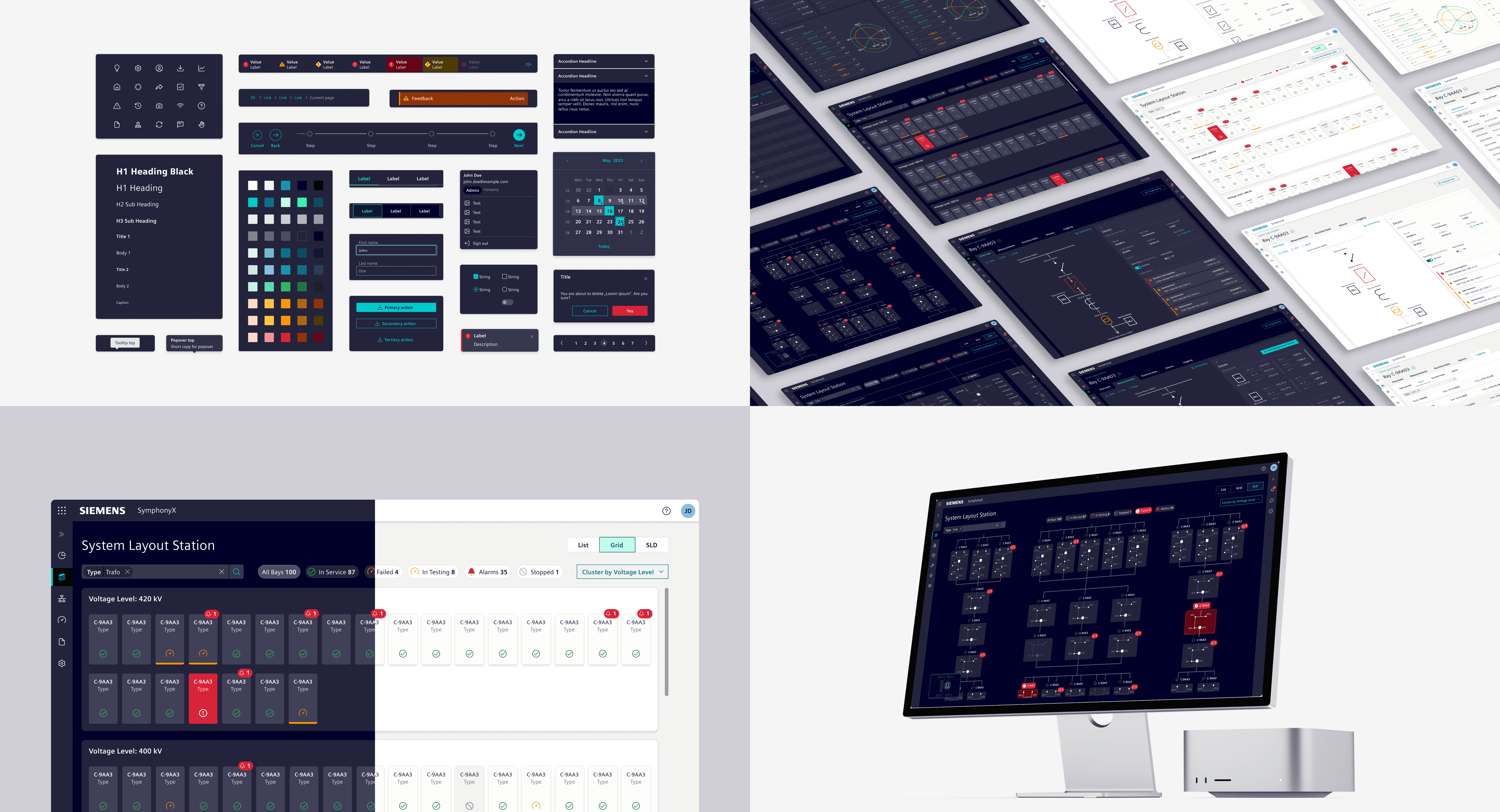
SIEMENS is very driven to keep continuity across all of the product they have and build in the future. While they had a design system, we had to come up with clever ways to apply it within our designs especially when there are multiple layers of complexity found in such a system.
A design process embedded within an agile team environment with multiple stakeholders for us meant to quickly develop concepts and low-fidelity prototypes to test their usability and align them with business and product requirements.
Enter Password
Hint: Password in cover letter