Year
2025
Website
Team
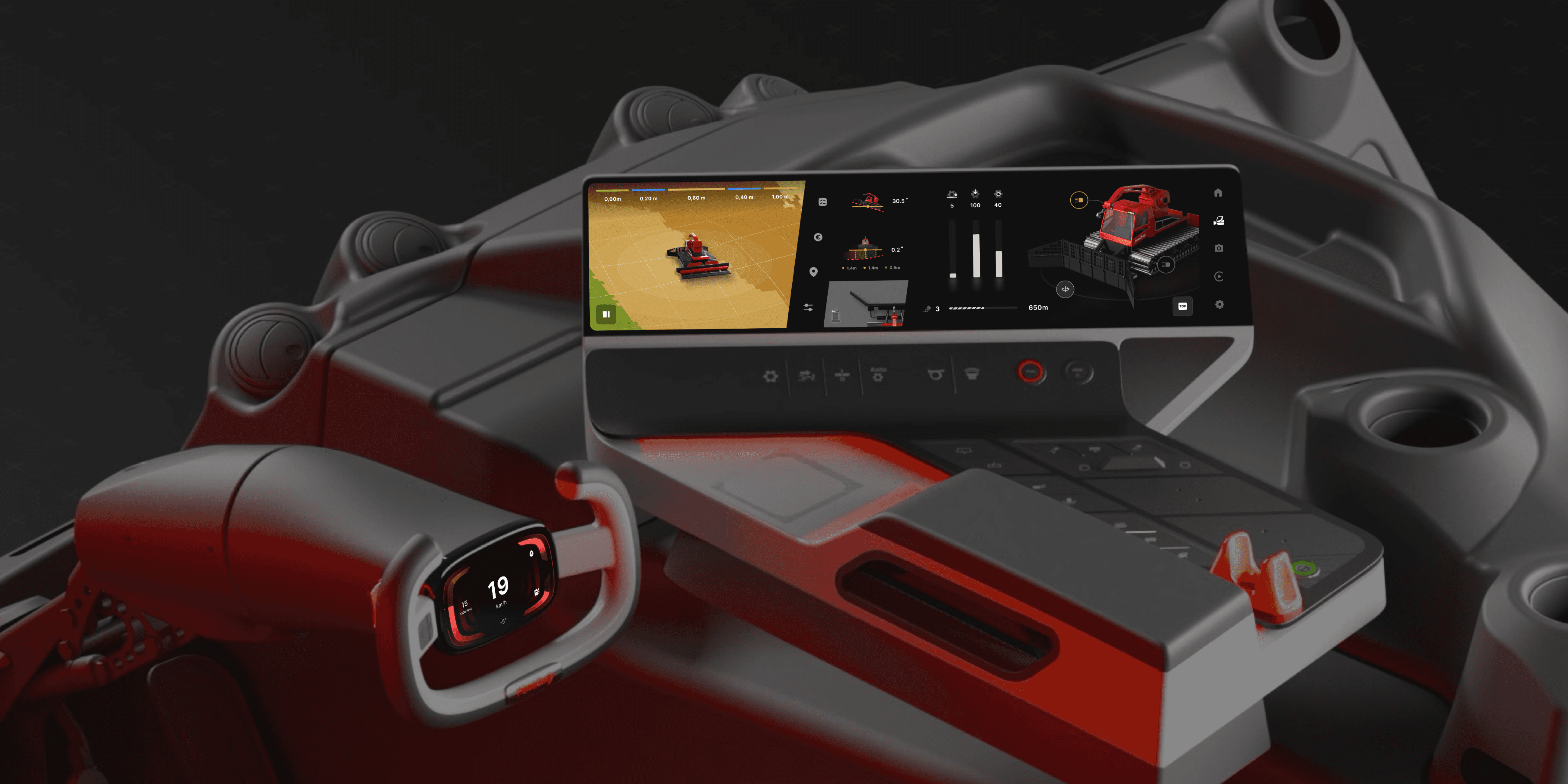
I led the UX design for Vision Next. Working alongside Industrial and motion graphic designers to bring this concept to life.
PistenBully is a leading German manufacturer of snow groomers used by ski resorts worldwide to prepare and maintain slopes. The brand is known for high-performance tracked vehicles that operate in extreme alpine conditions. Combine heavy-duty engineering with advanced digital control systems, enabling precise slope preparation.
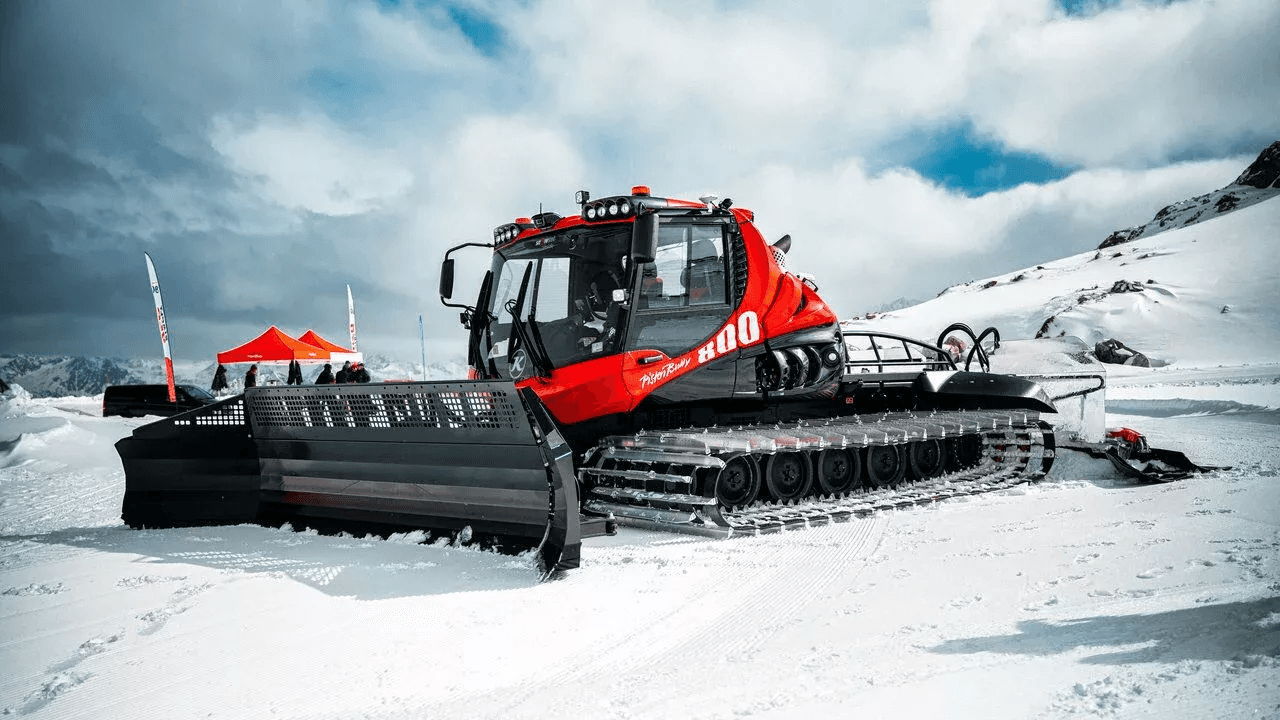
The current Pistenbully groomers have not had a cabin refresh in the last 10 years, leading them to feel outdated and clunky both in terms of ergonomics and a fully immersive cabin experience for operators. Navigate multiple fragmented systems, on multiple screens which have not considered how operators actually utilise the cabin. As a result operators currently face a high cognitive load in extreme, low-visibility conditions, navigating a mix of SnowSat data, vehicle controls, communication channels and environmental feedback. This fragmentation leads to inefficiencies, divided attention and a lack of emotional connection to a machine used for long, demanding shifts.
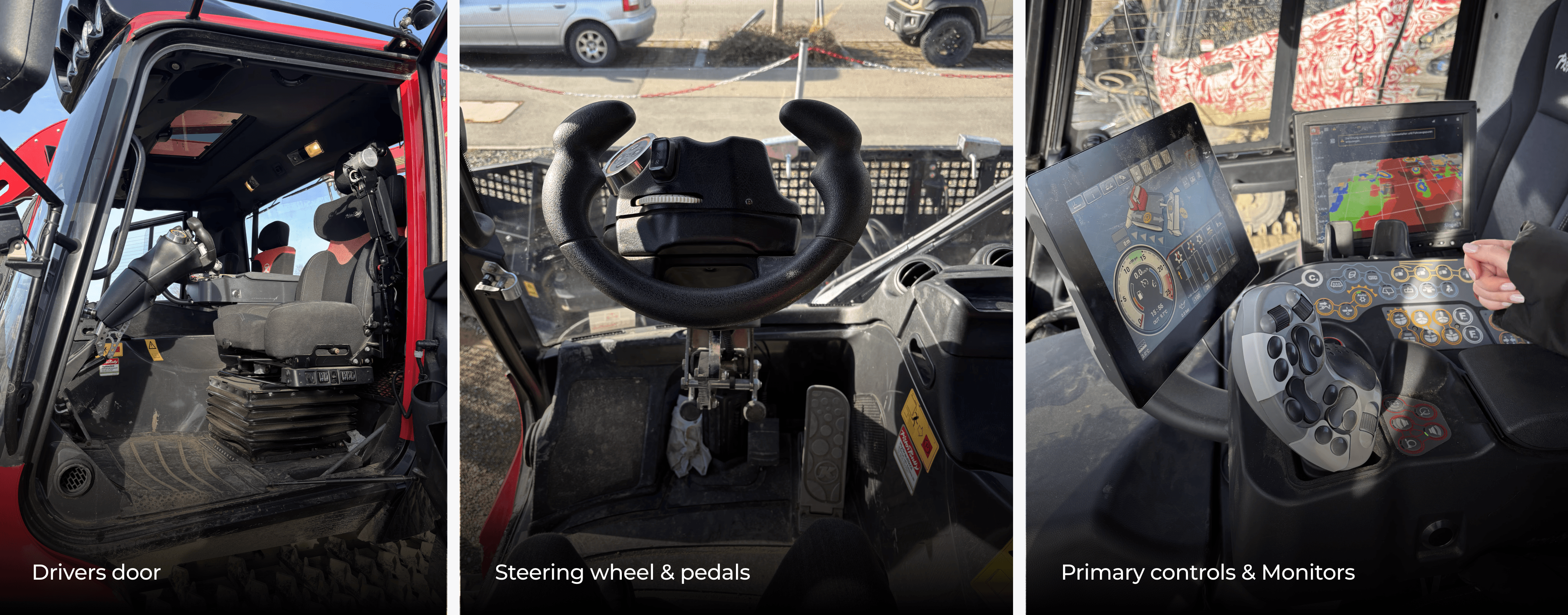
Current Cabin
In order for us to fully understand some of the limitations of the current cabin experience, we went and experience operators are currently working with. What we found felt more like we work working with a construction vehicle than a highly sophisticated machine. We refined the design and developed a clear, minimal interface for the device, created both the design system and user expereince of the companion app - ensuring ease of use, seamless interaction, and a premium aesthetic. Through rapid prototyping and close collaboration, we helped Alivion create a cohesive, refined, and production-ready solution , delivering exceptional value for a fast-moving startup.
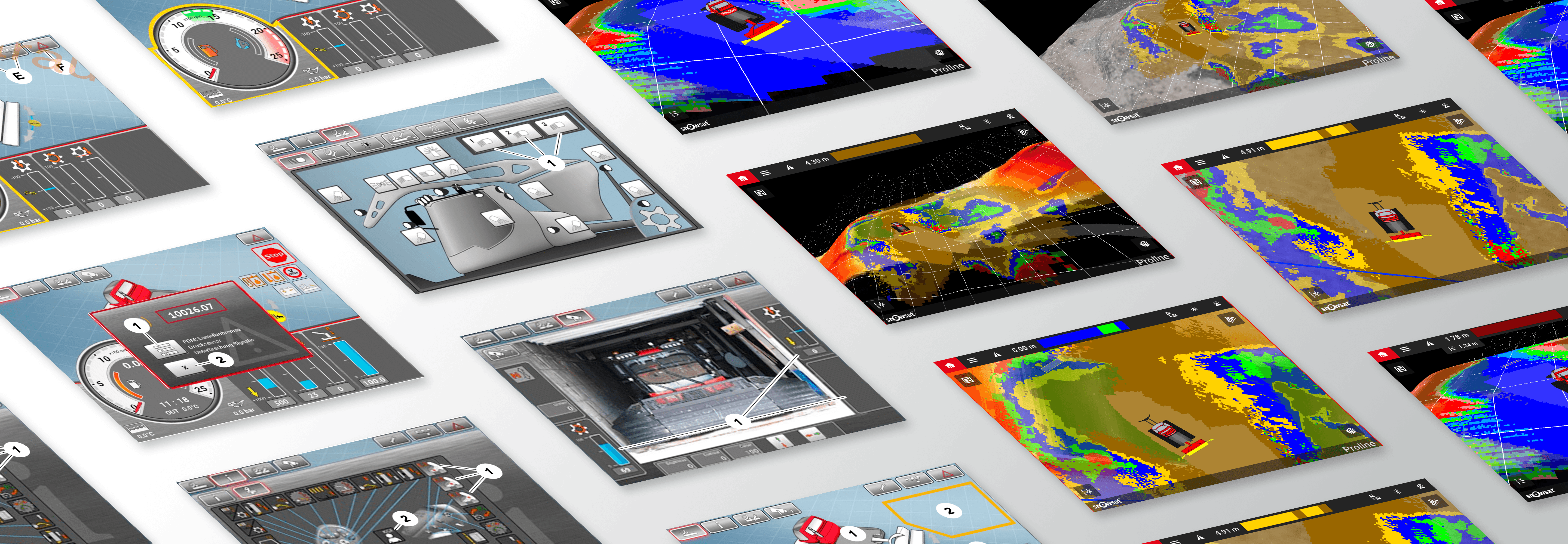
It was very important for us to understand the current software that they were currently using within the cabin. We found that the product was very outdated both look and feel but also some of the UX choices that had been made. Currenlty they had two seperate screens showing data, however the data being show was co-dependant and would often require seeing details on both screens at one time. This pushed us towards creating a single screen experience that kept all information in one place.
Over a 2.5‑week pitch sprint, we developed a vision that blended ergonomics, system logic and visual expression into a cohesive future cabin concept. We began by building ergonomic models to validate reach zones, viewing angles and control placement, ensuring the physical layout supported operators in demanding conditions. From there, we mapped out unified workflows between SnowSat and PistenBully, creating wireframes that defined how both systems could operate as one seamless experience.
High‑fidelity UI screens, motion explorations and sketches brought the design to life, showing how the display, physical controls and spatial layout could work together. To support long‑term collaboration, we also proposed a a physical mockup of the cabin which would allow future on‑site sessions to rapidly test ergonomics, interaction flow and new control configurations.
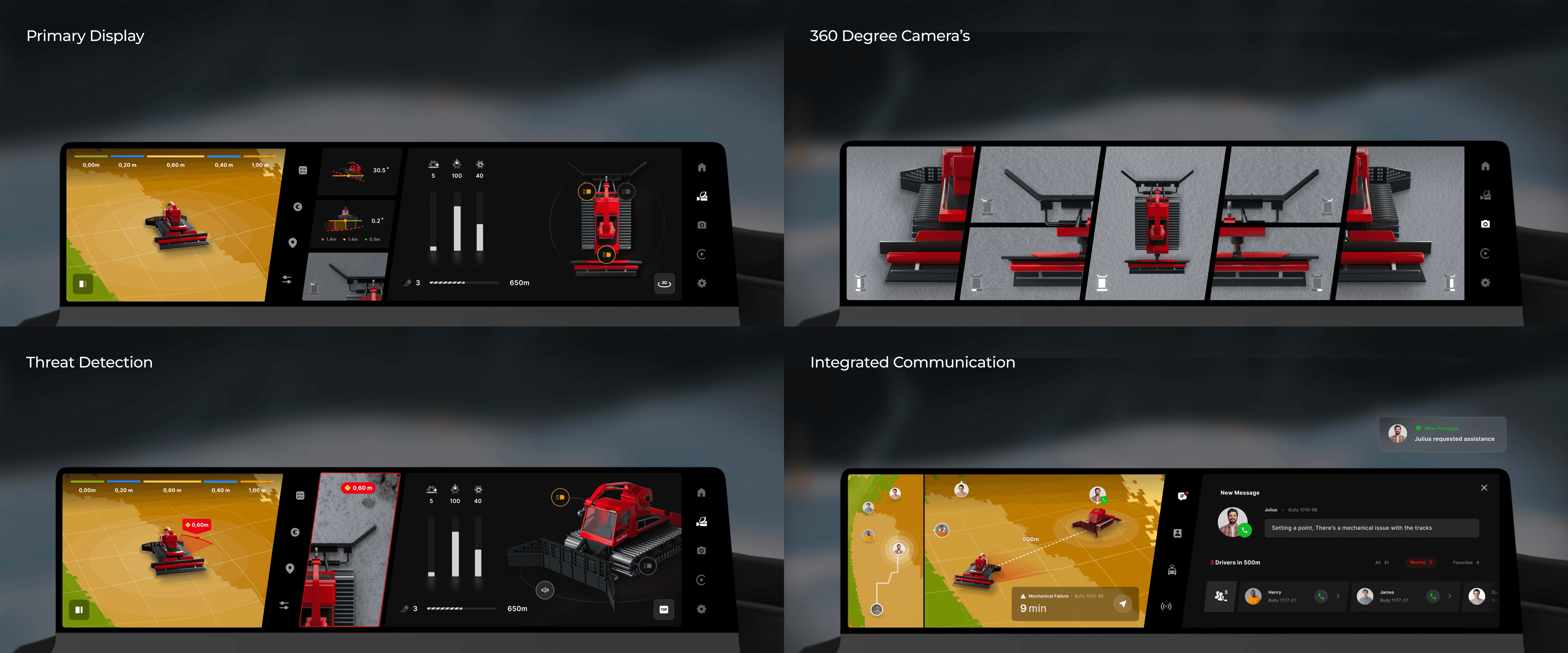
Despite being a the concept we aimed to address real operator pain points and create a solution which would have as big an impact on current issues faced by drivers. Creating a:
A modular, scalable cabin structure
Unified product experience merging hardware and software
A clear design language built on simplicity and emotional resonance
Ensuring ergonomic requirements from the existing joystick controls.
This was a tough project, it had many complexities which we had to try and work through. While it may not look very complicated these snow groomers have a vast array of functions and technical capabilities and while trying to envision what this cabin experience could look like we had to ensure we could create an elevated experience but also ensure that it was as functional as possible. This is the type of project where the more questions we asked the more we realised there were major gaps in what the market currently provide both from a UX and Industrial design perspective/
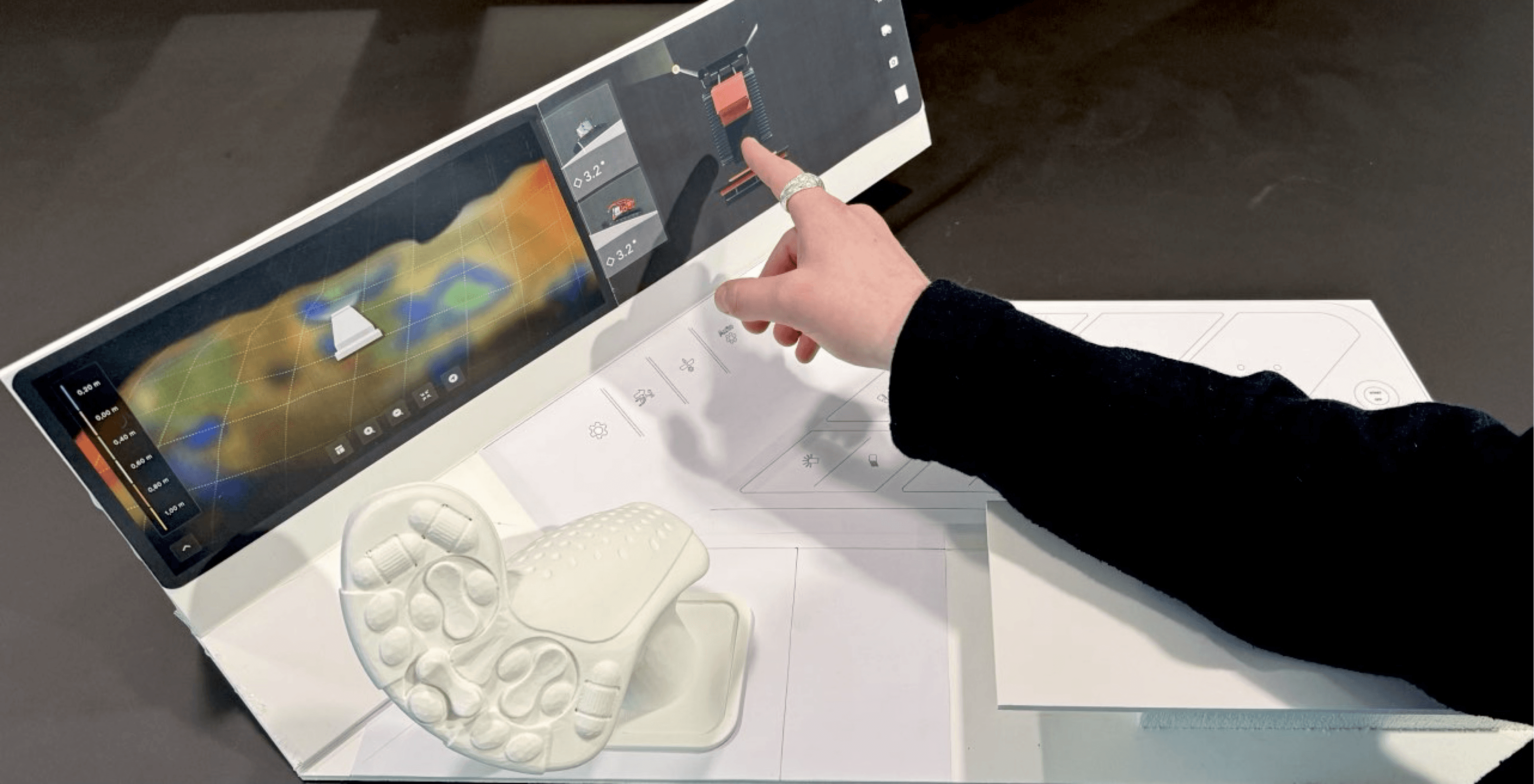
One of the biggest considerations was the joystick which drivers use, which has up to 26 different buttons and 50 additional customizable paths. While going for a 32:9 wide touchscreen we needed to ensure that the large joystick did not hinder visability and ability to interact with the screen. We created a 1:1 model to test out a variety of options
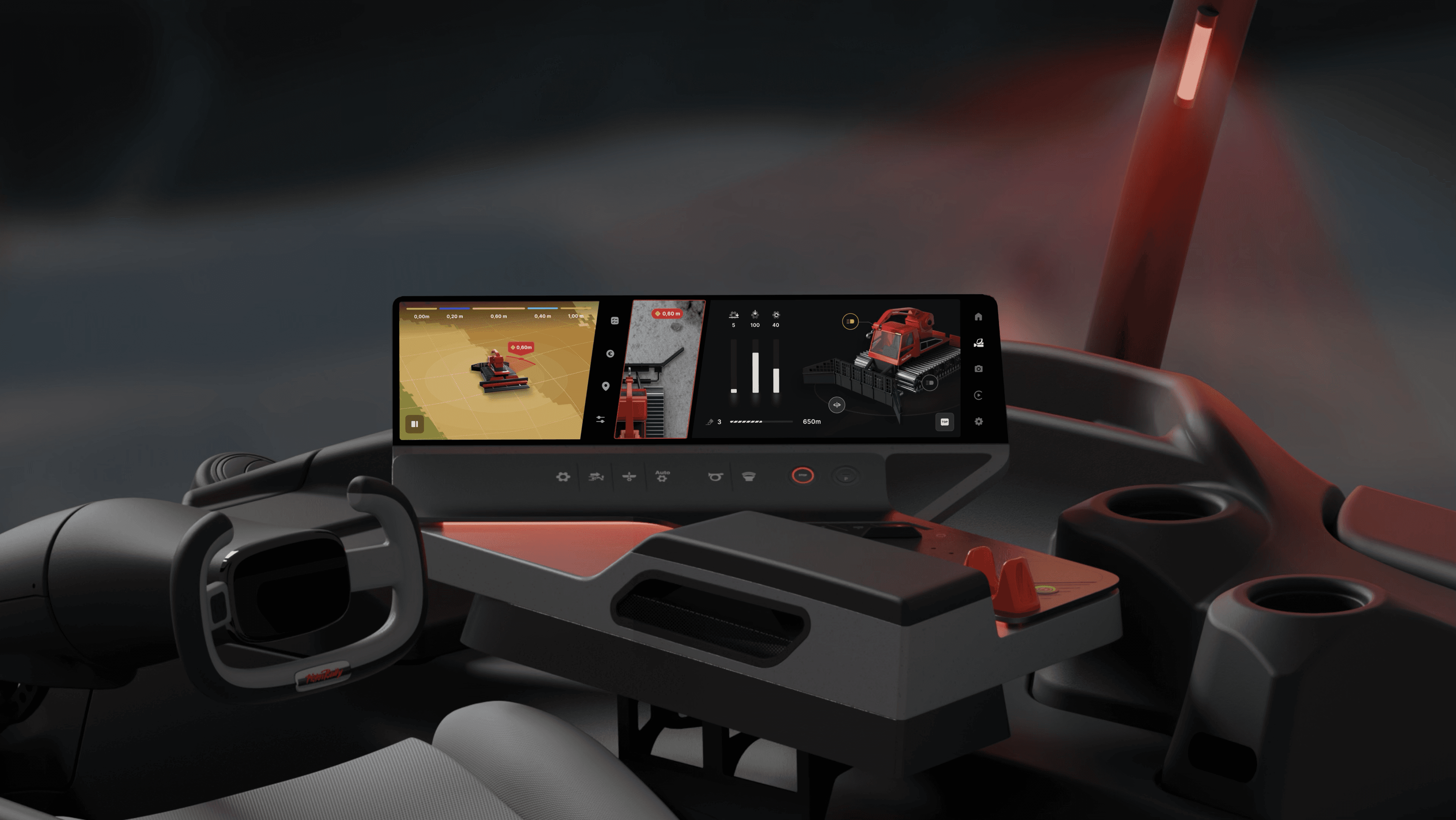
Often groomers work in conditions which do not allow for great visabilty, both from other vehicles but also linked to situational awareness for where the slopes end. We looked at how we could increase awareness by bringing in warning systems both on screen and through lighting in the cabin to make driver aware of any dangers.